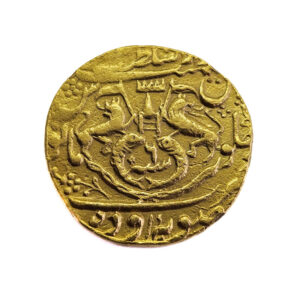
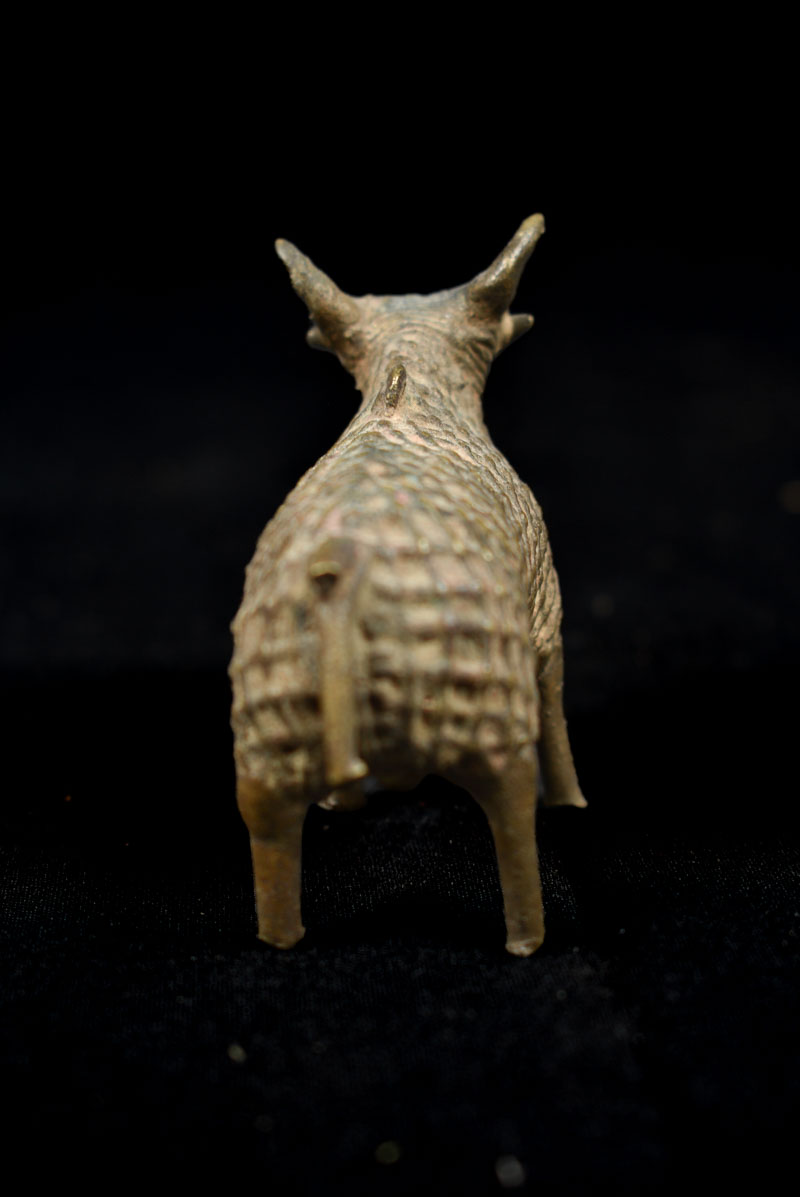
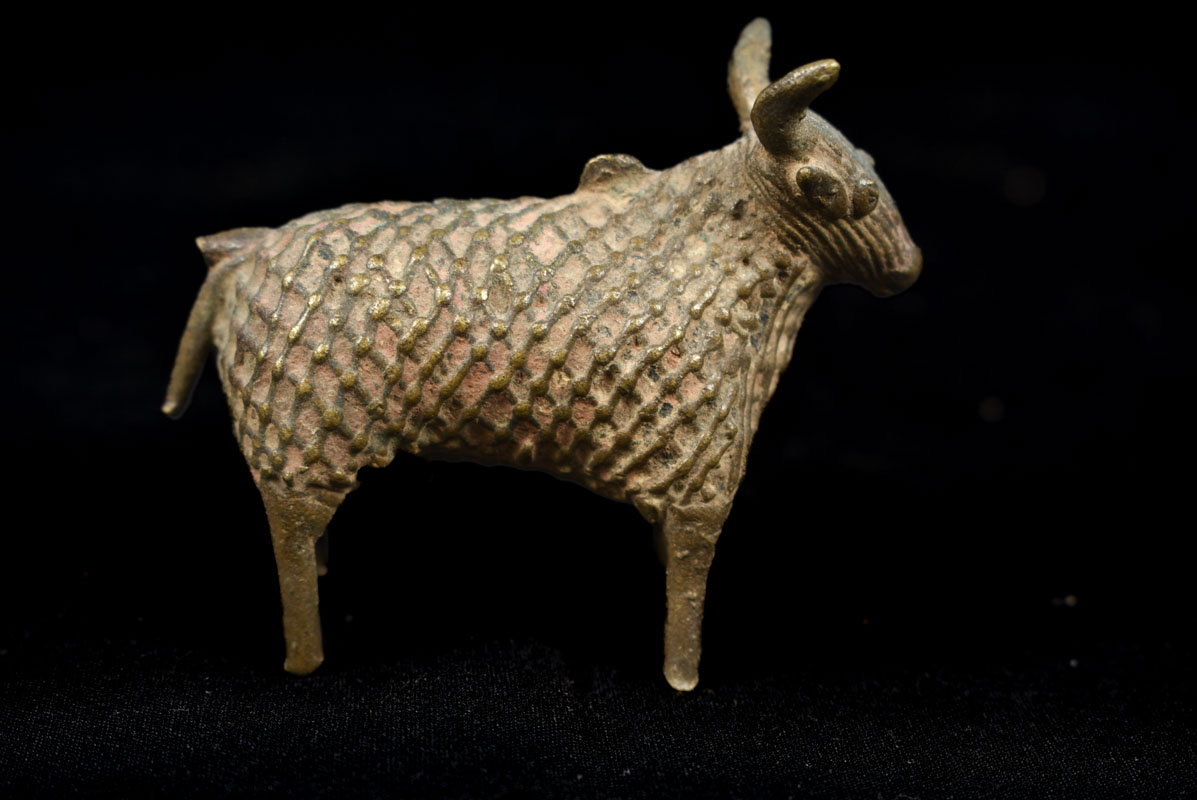
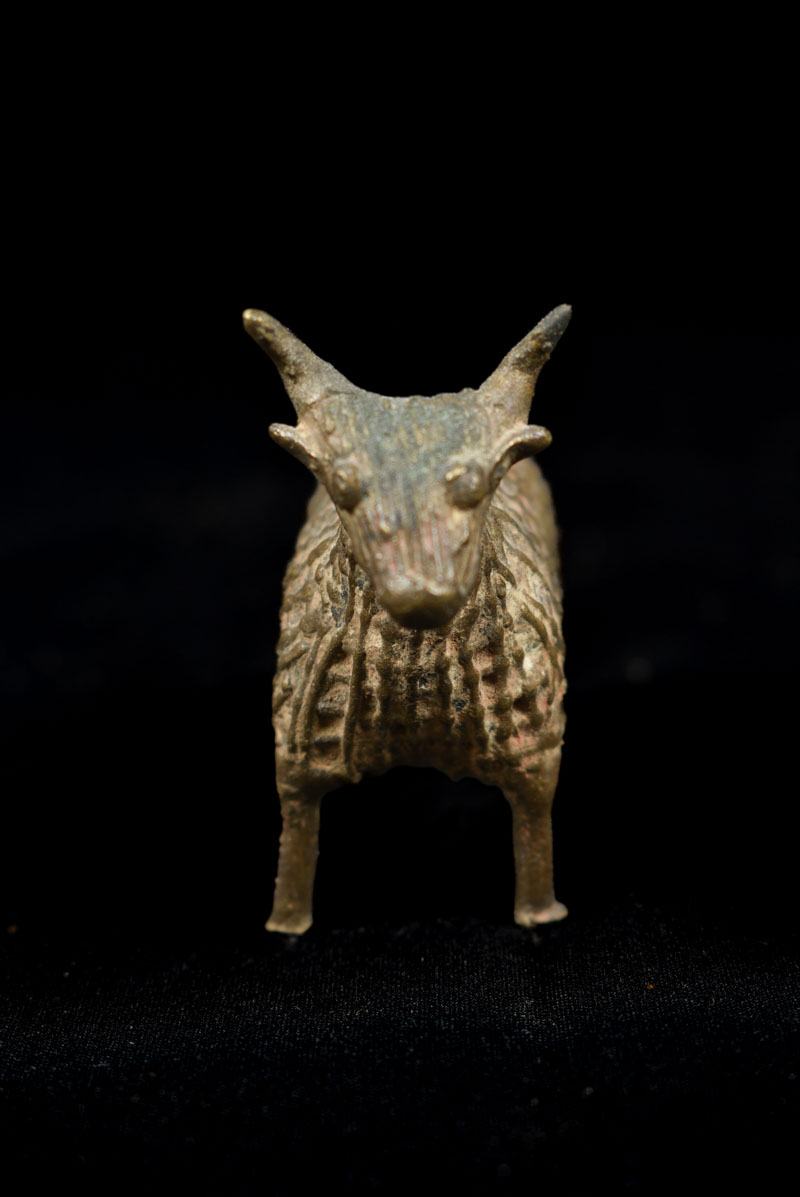
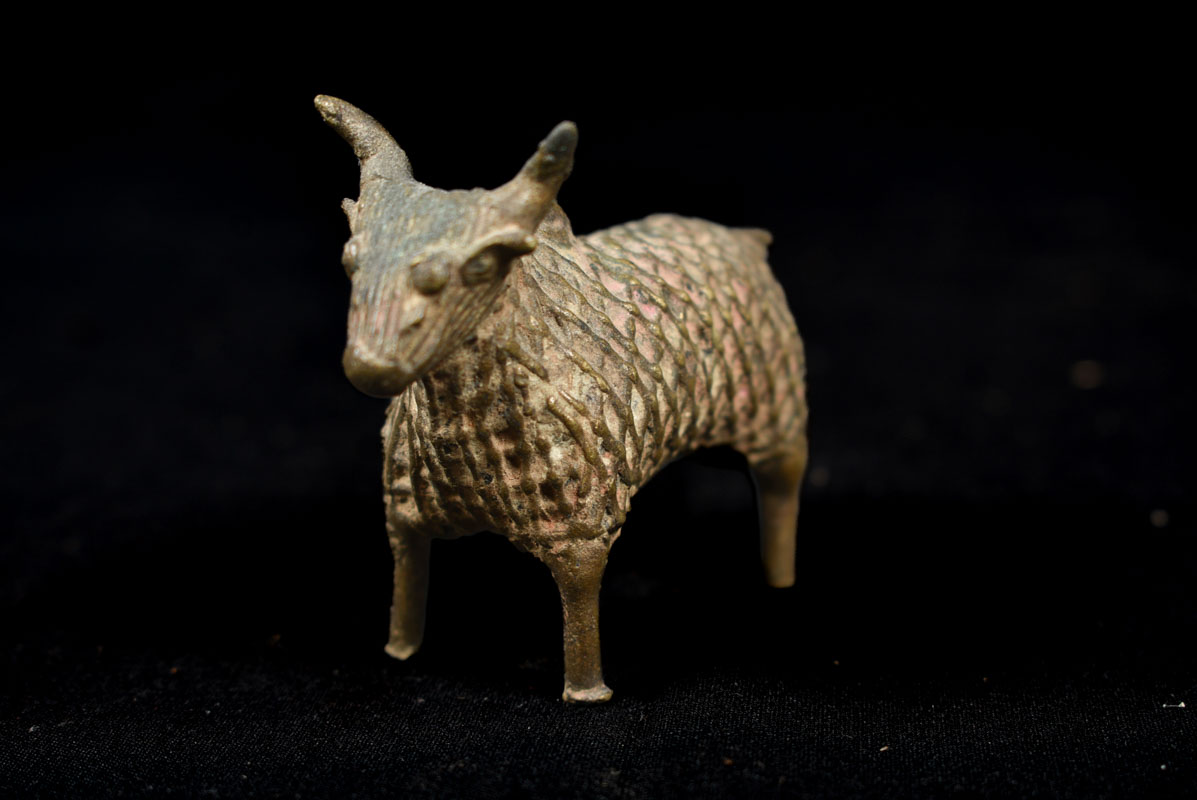
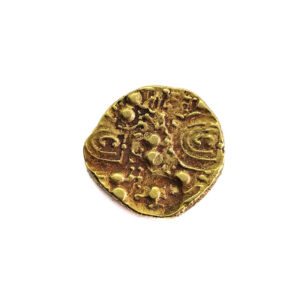
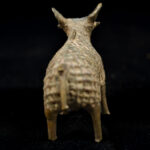
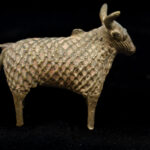
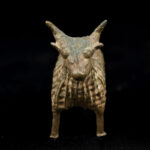
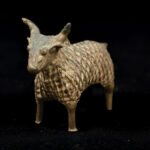
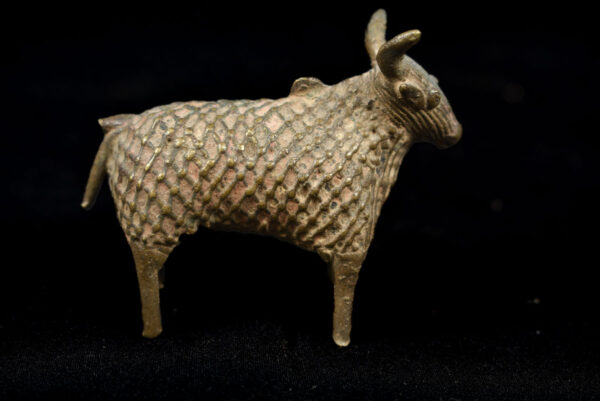
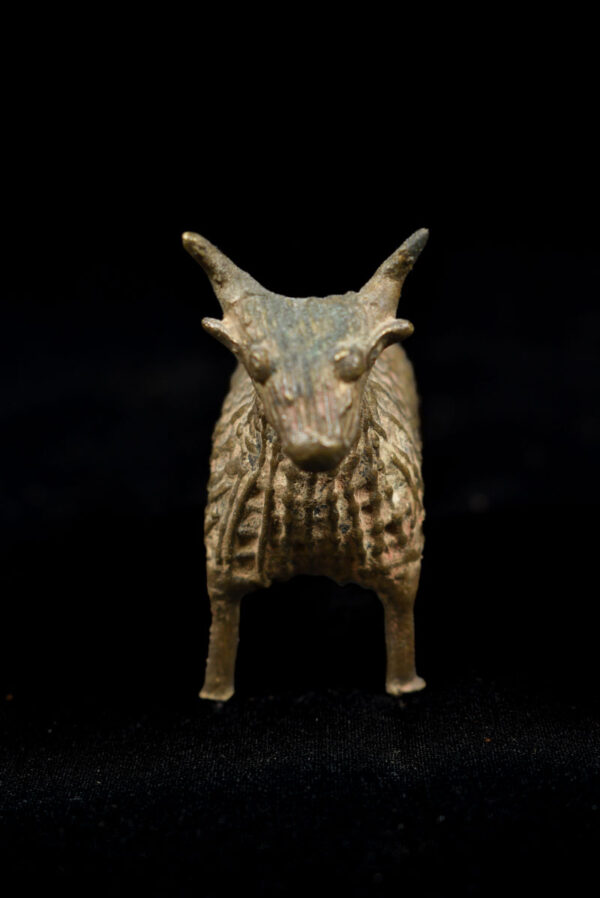
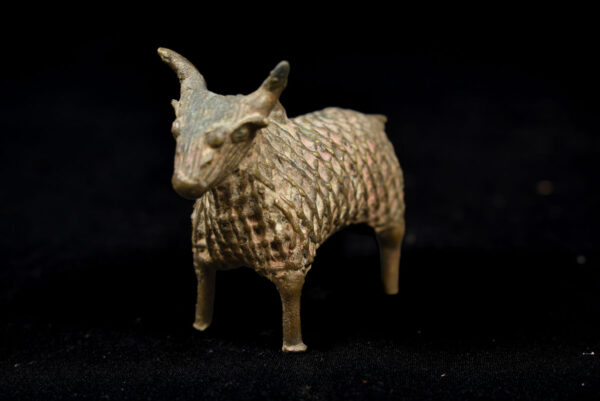
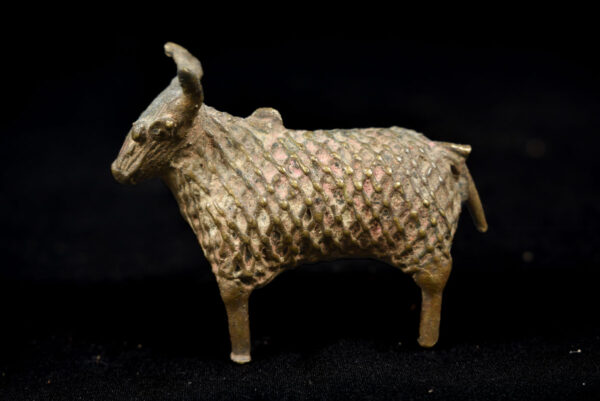
 India, Medieval Gadyana / Hoan 1216-1316 Telugu Chodas of Nellore
SECURE PAYMENT
Pay securely with iDEAL | Wero, Bancontact, PayPal, Visa, Mastercard or bank transfer.
Pay securely with iDEAL | Wero, Bancontact, PayPal, Visa, Mastercard or bank transfer.

Search our beautiful art & coins
Questions?
Please feel free to contact us.
Fill in our contactform, mail us
or use the Whatsapp button below.
€ 120,00
In stock
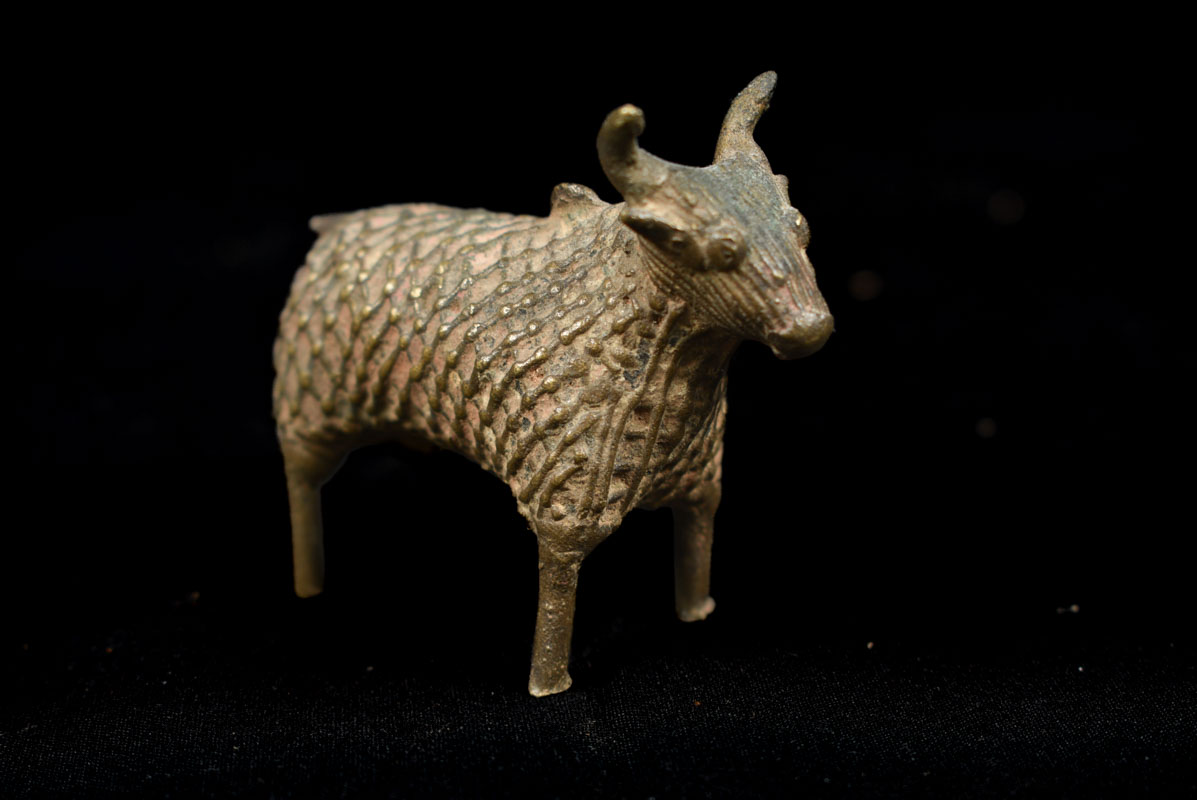
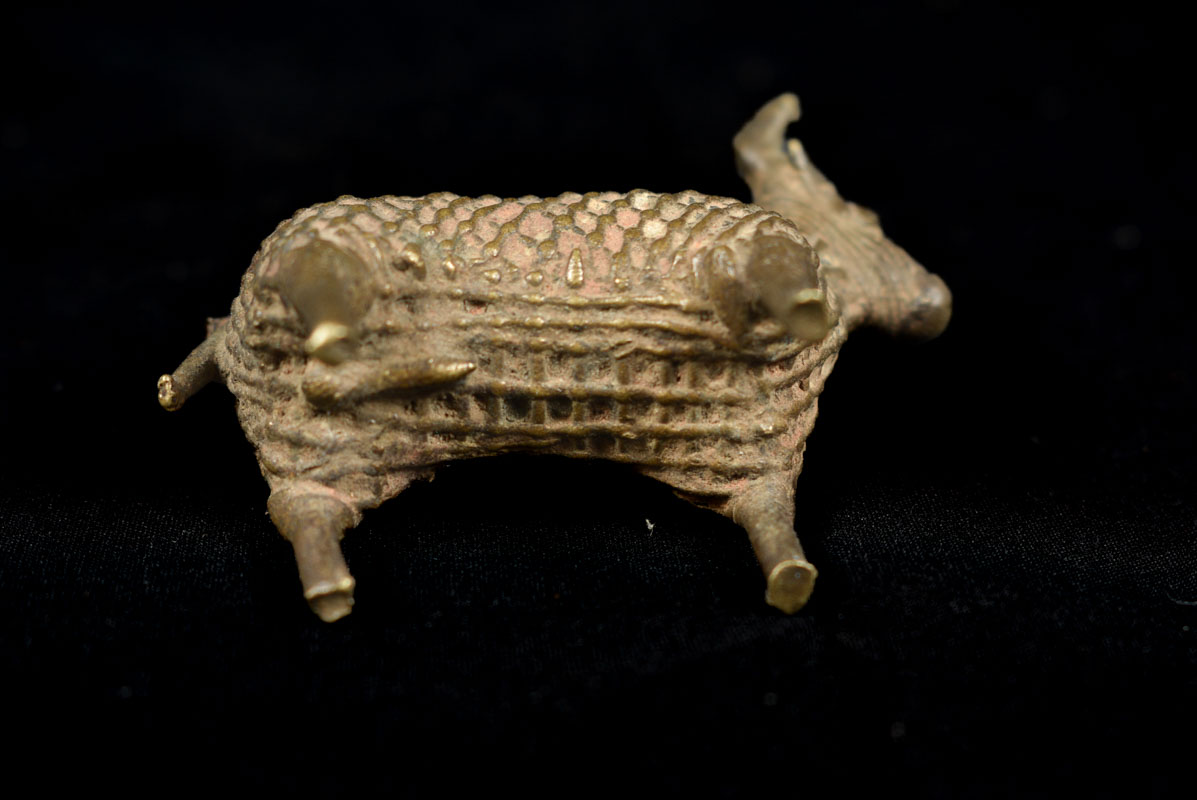
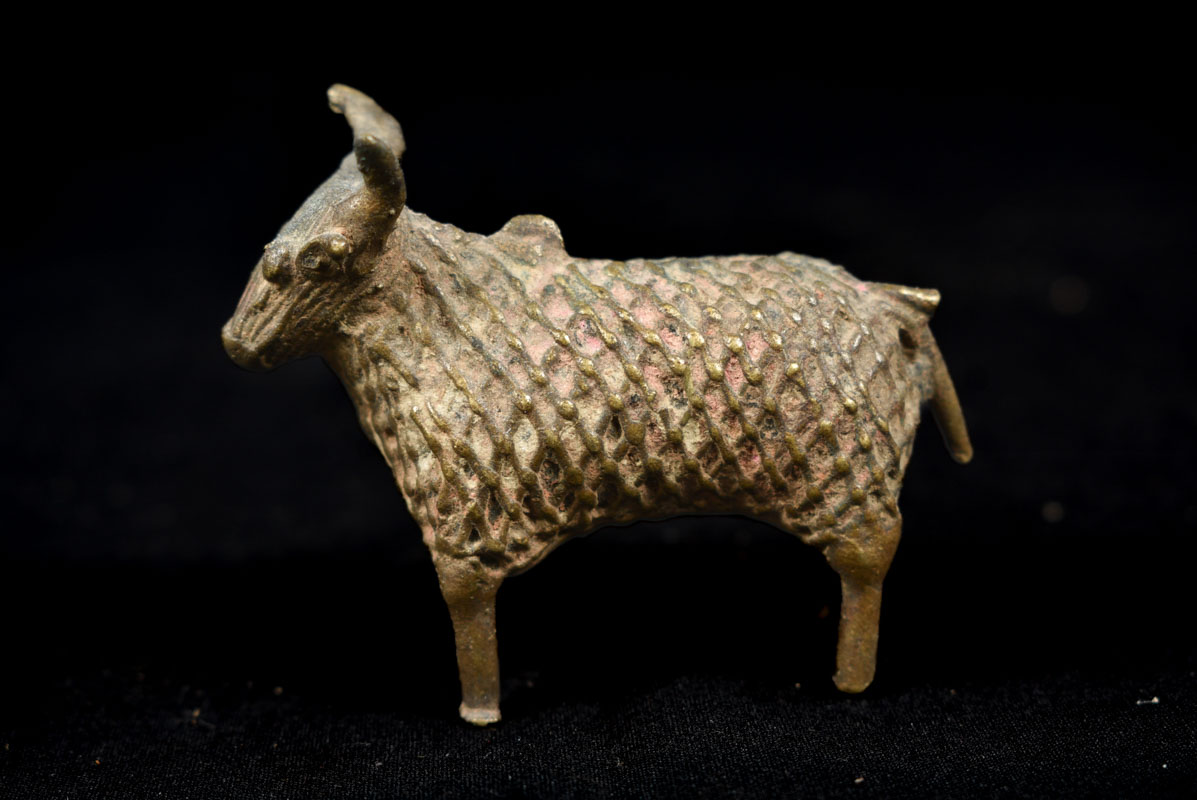
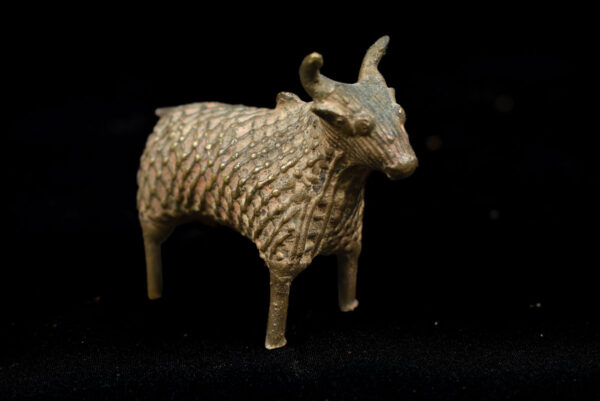
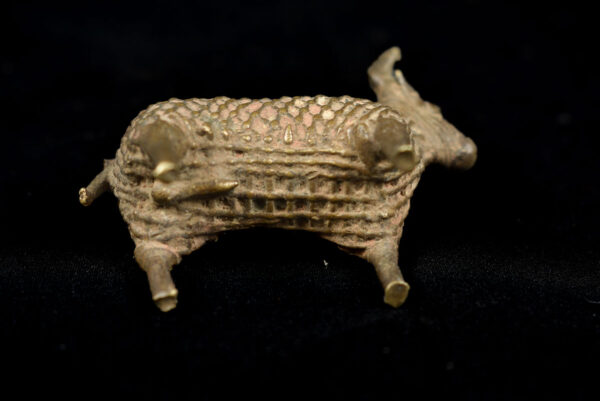
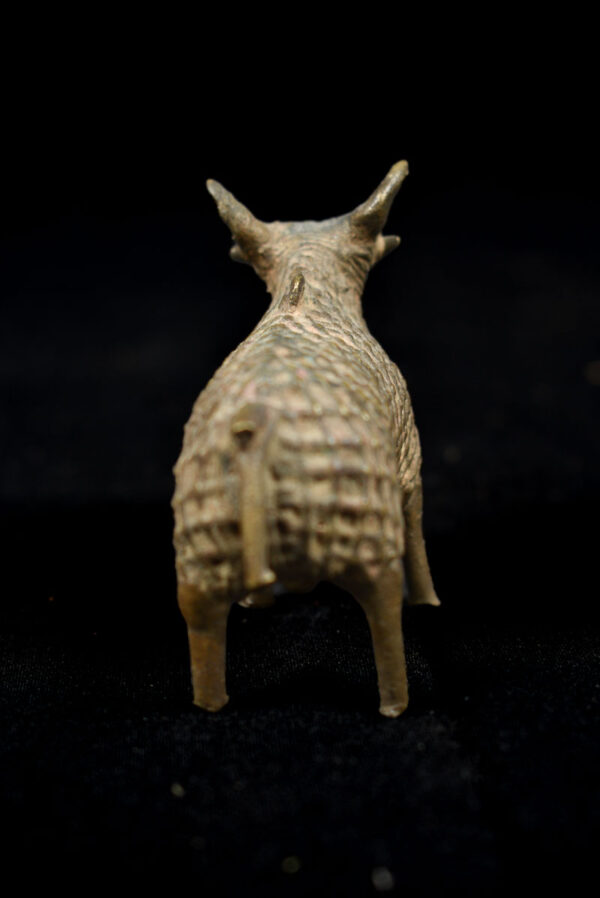
| Object: | Bull figure |
| Ethnic group: | |
| Country: | India |
| Material: | Bronze |
| Period: | Mid 20th century |
| Sold with stand: | No |
| Dimensions: | 7x6x3 cm |
| Weight: | 70 gram |
| Condition: | Good condition, used with some signs of wear |
Frequently asked questions
Find answers to the most common questions about authenticity,
provenance, condition and additional information.
Yes. We carefully select every item in our collection. We provide information about the culture, material, age or period and provenance whenever this information is available. We do not knowingly sell reproductions as authentic antiques.
Yes. The photographs show the actual object for sale. We individually photograph our pieces, so you will receive the exact object shown on the product page.
Where available, provenance information is included in the product description. For selected pieces, additional provenance documentation or a provenance certificate may be available upon request.
We describe the condition of each item as accurately as possible and photograph the piece from multiple angles. Signs of age, wear, repairs or damage are mentioned in the product description when relevant.
Absolutely. If you would like additional photographs, measurements, details about the condition or further information about an item, please contact us. We are happy to help before you make a purchase.