SECURE PAYMENT
Pay securely with iDEAL | Wero, Bancontact, PayPal, Visa, Mastercard or bank transfer.
Pay securely with iDEAL | Wero, Bancontact, PayPal, Visa, Mastercard or bank transfer.

Search our beautiful art & coins
Questions?
Please feel free to contact us.
Fill in our contactform, mail us
or use the Whatsapp button below.

Original price was: € 175,00.€ 140,00Current price is: € 140,00.
In stock
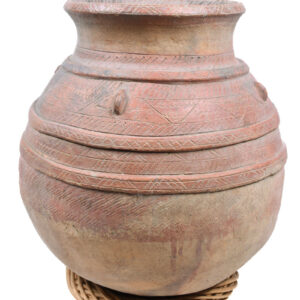
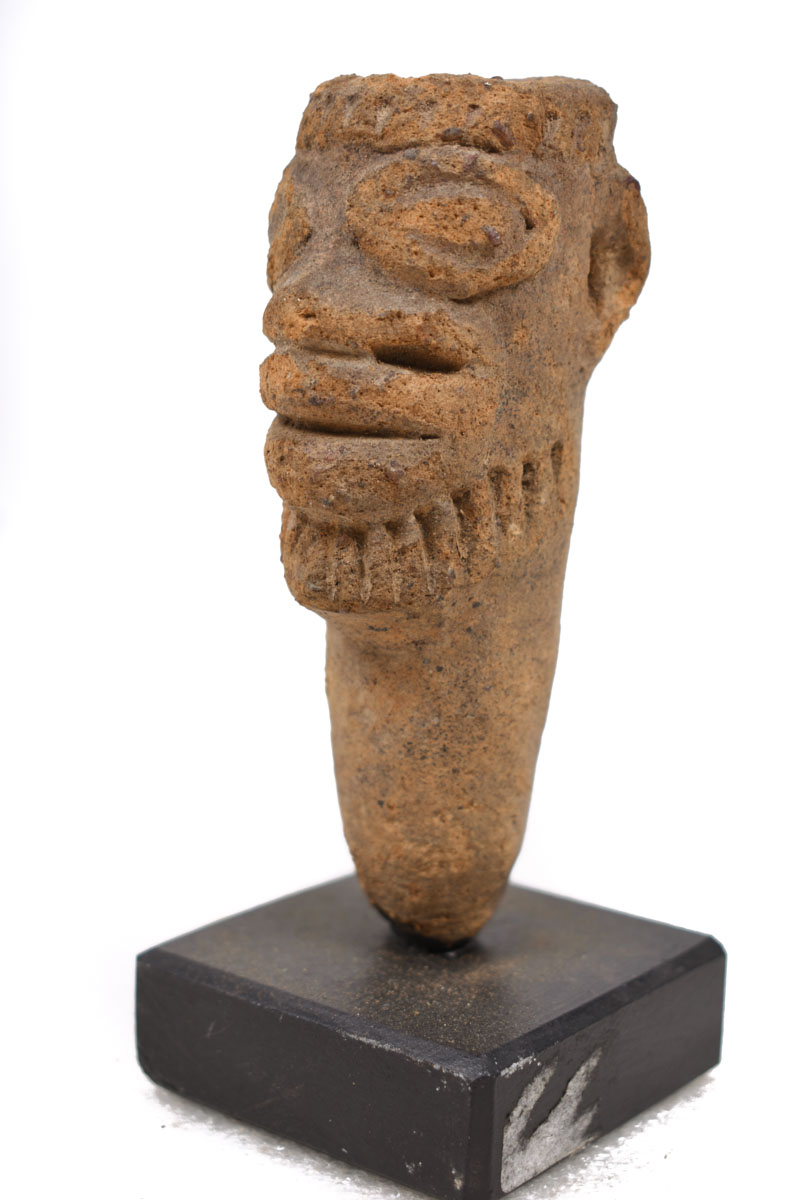
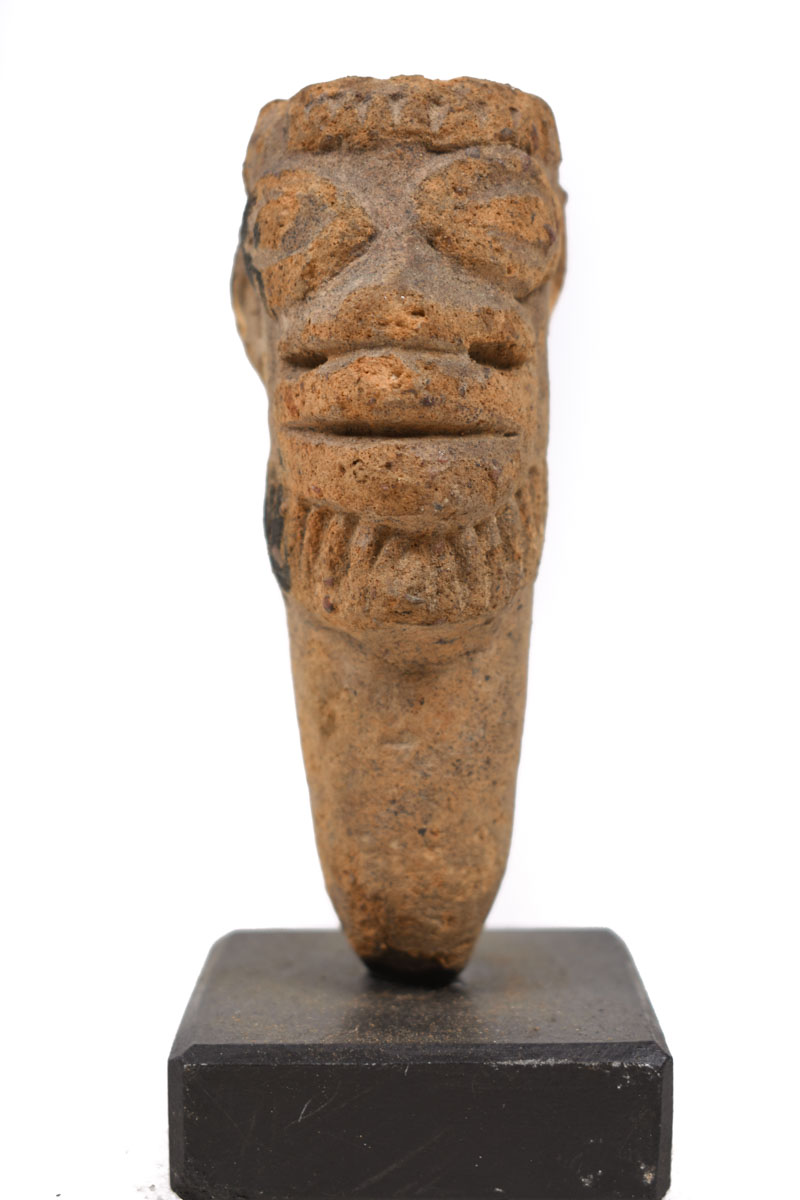
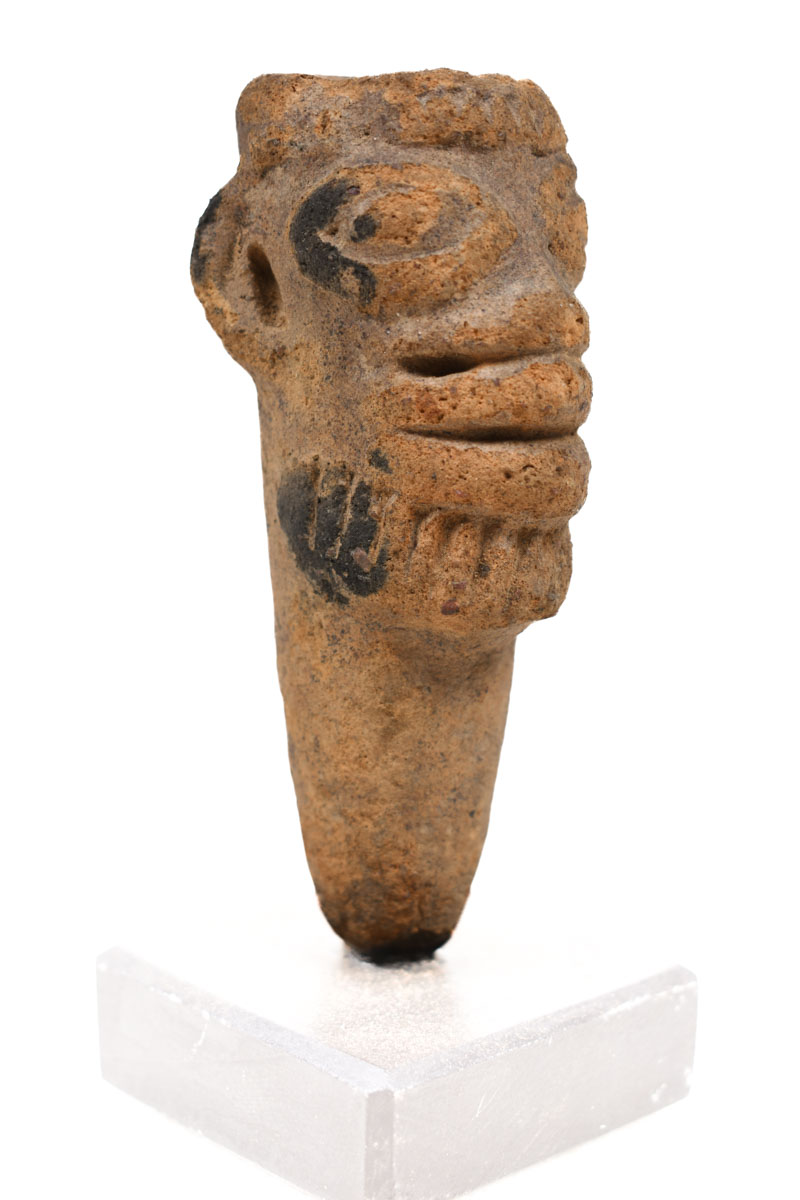
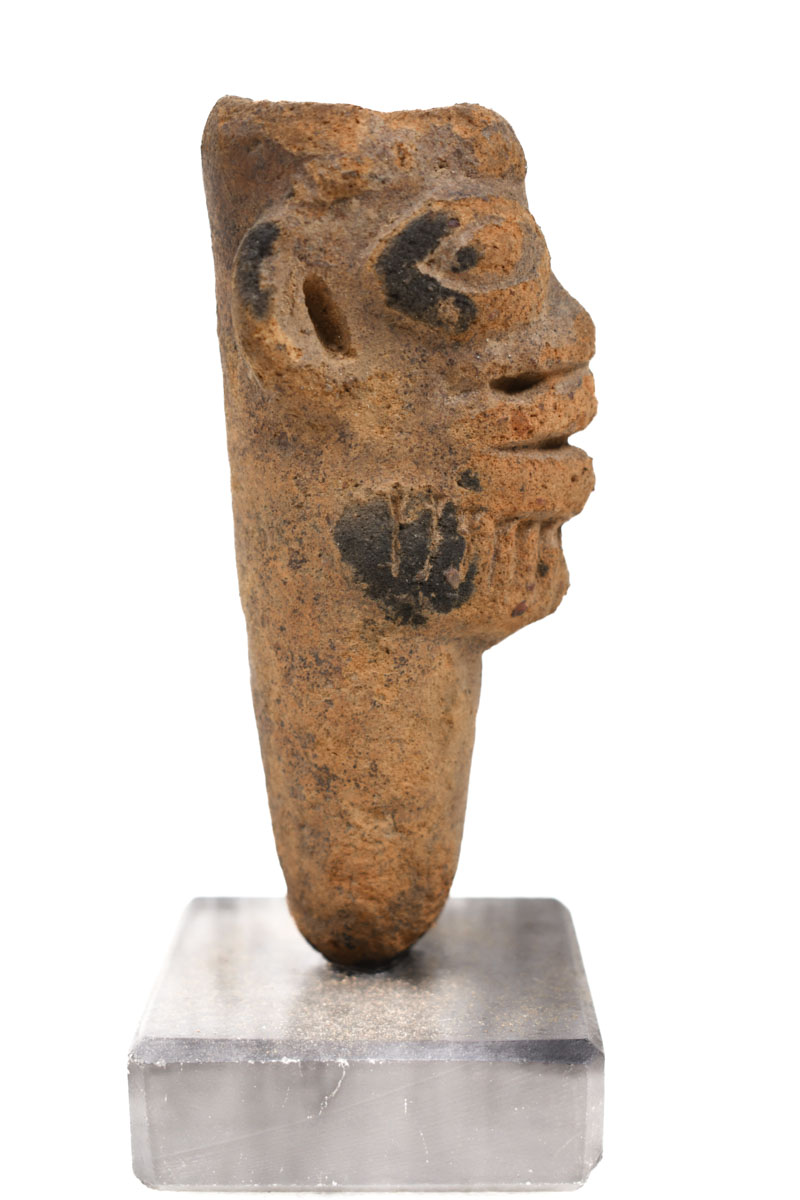
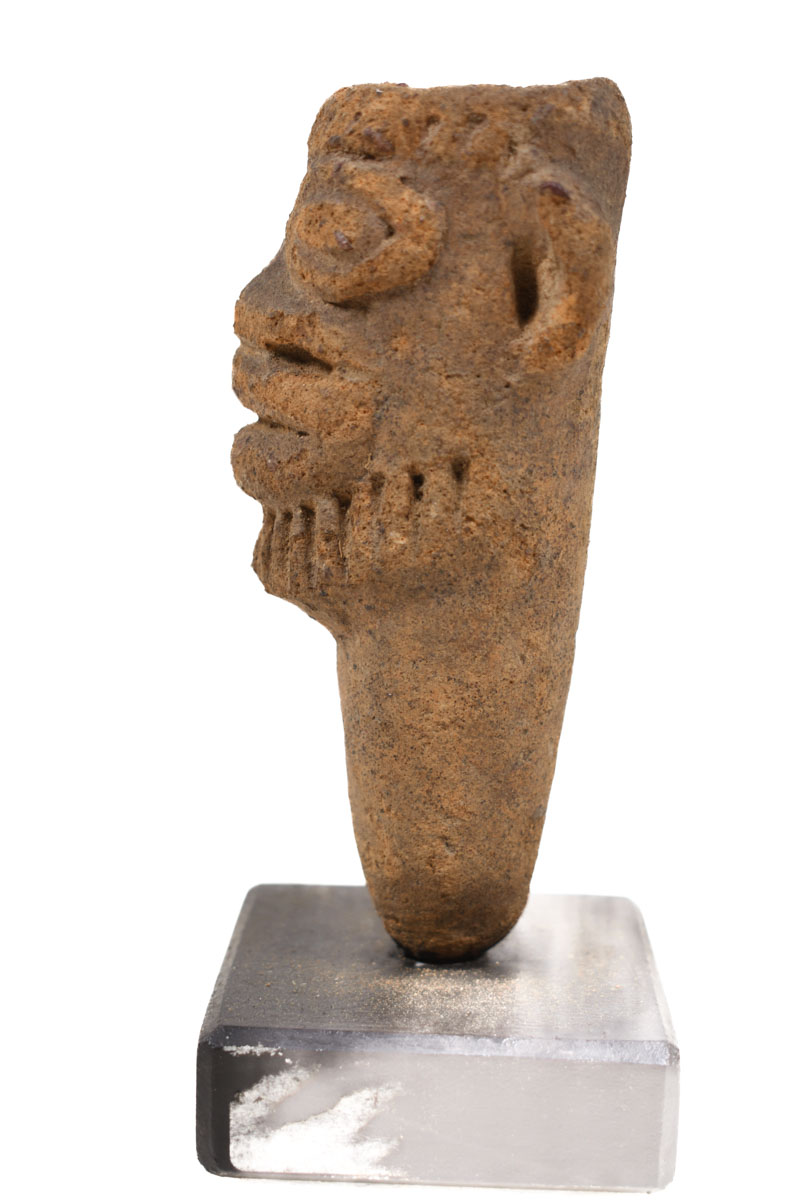
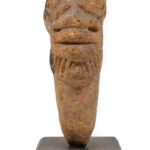
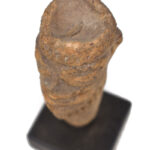
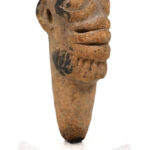
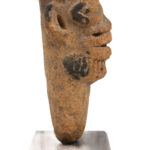
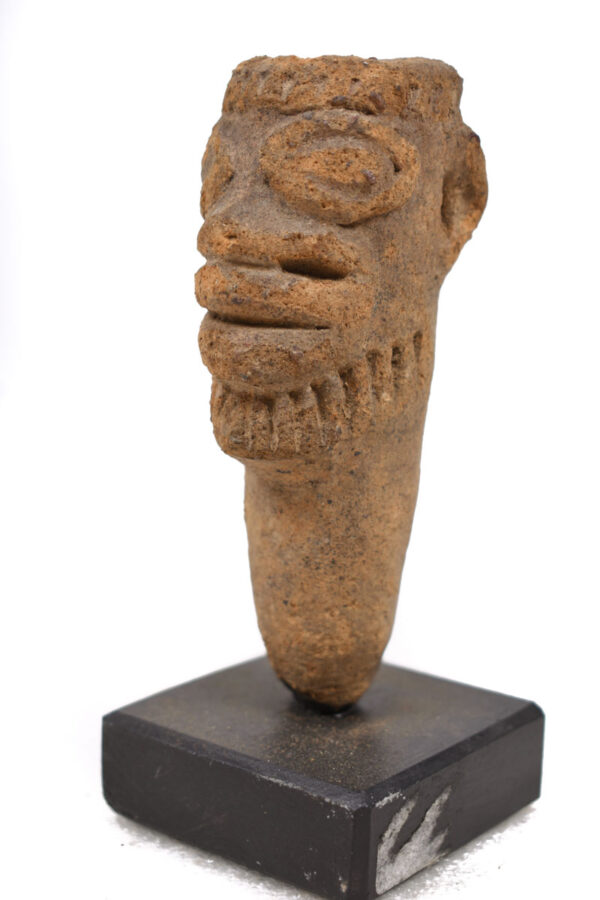
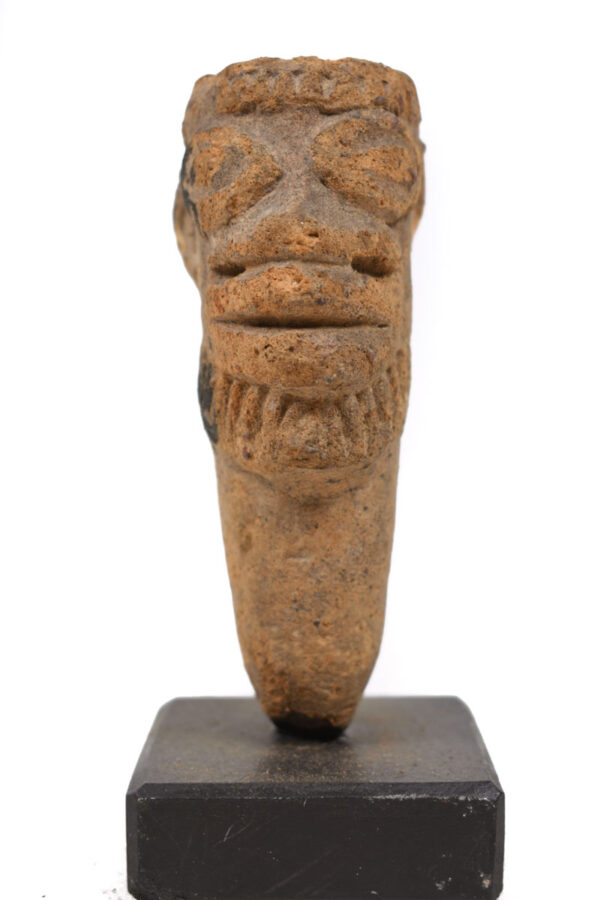
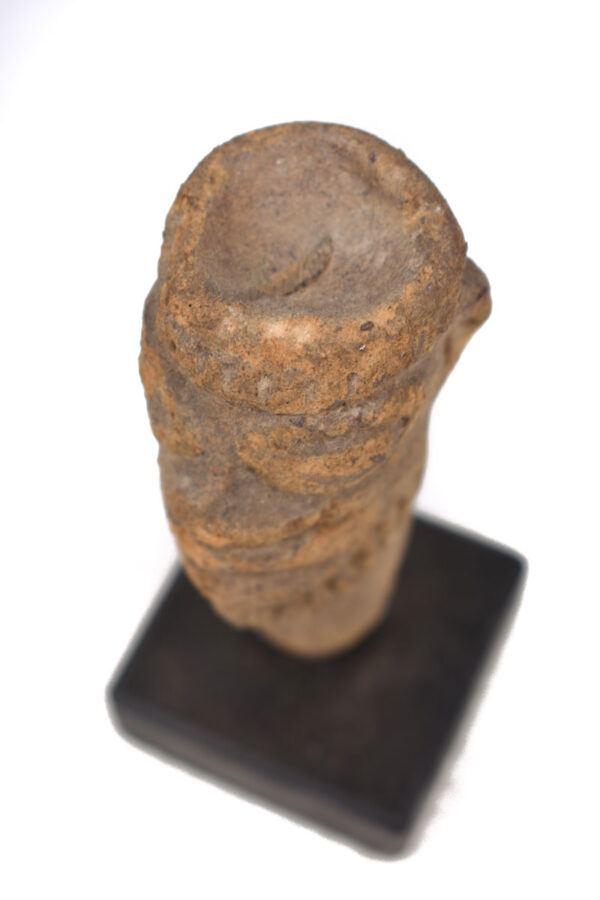
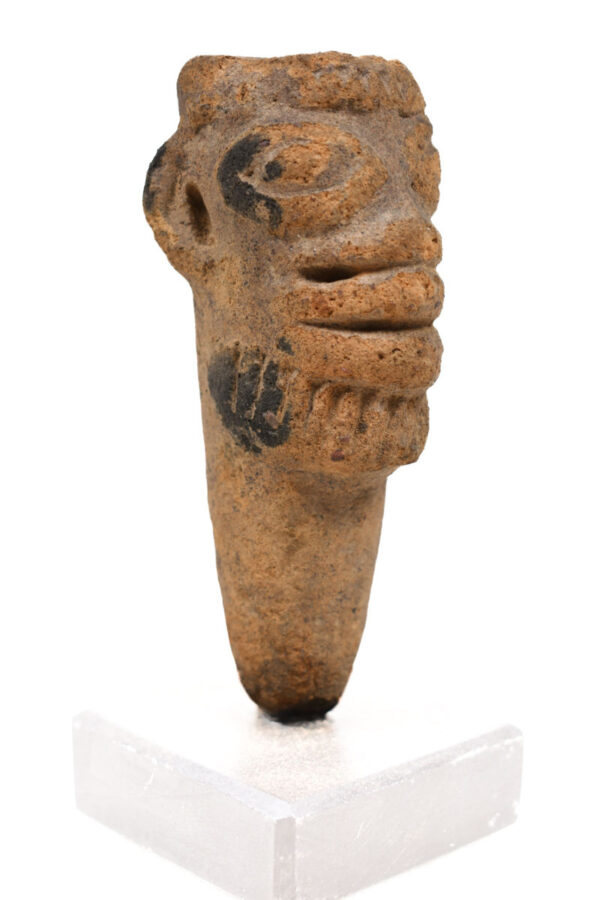
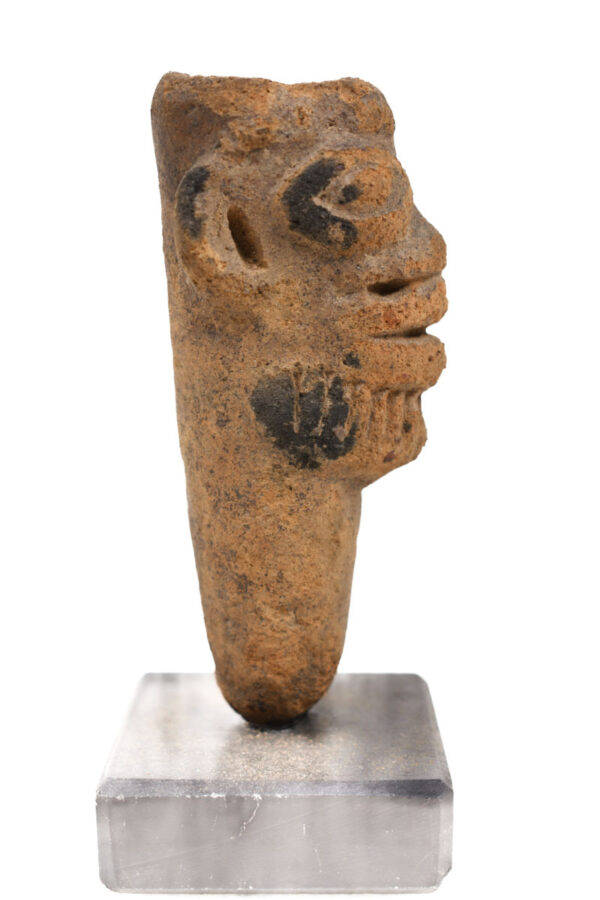
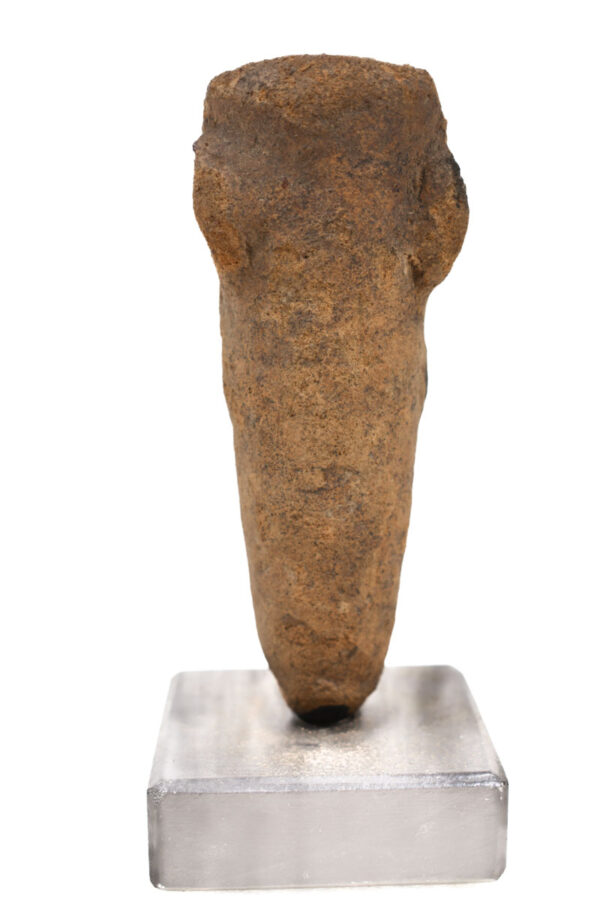
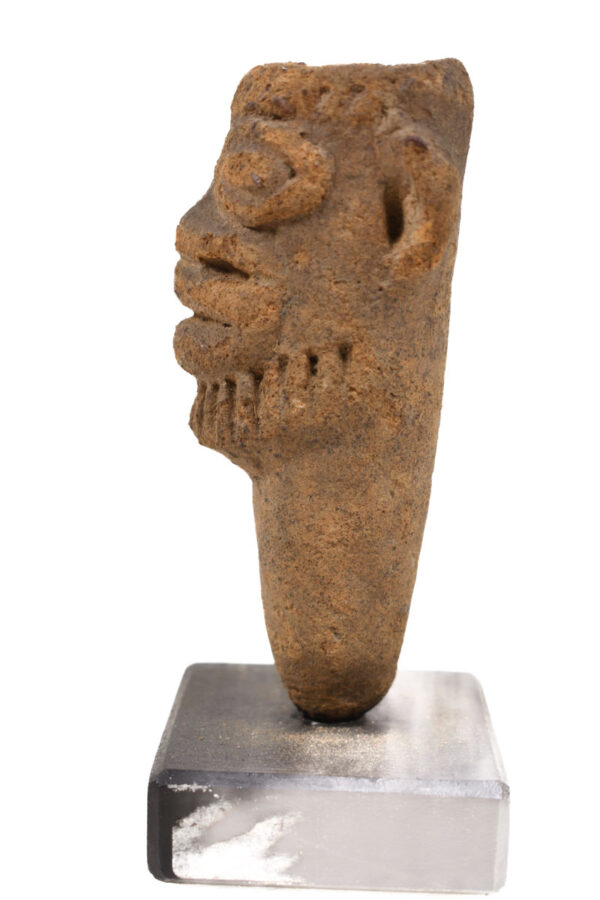
In the 1980s, the first figurines of this style were found in fired clay in the Upper West Region of Ghana, in the area now inhabited by the Koma (e.g. in Yikpabongo, Tantuosi, Wumobri) and the Bulsa (Builsa). Thermoluminescence age determinations dated the objects from the 13th to the 18th century CE.
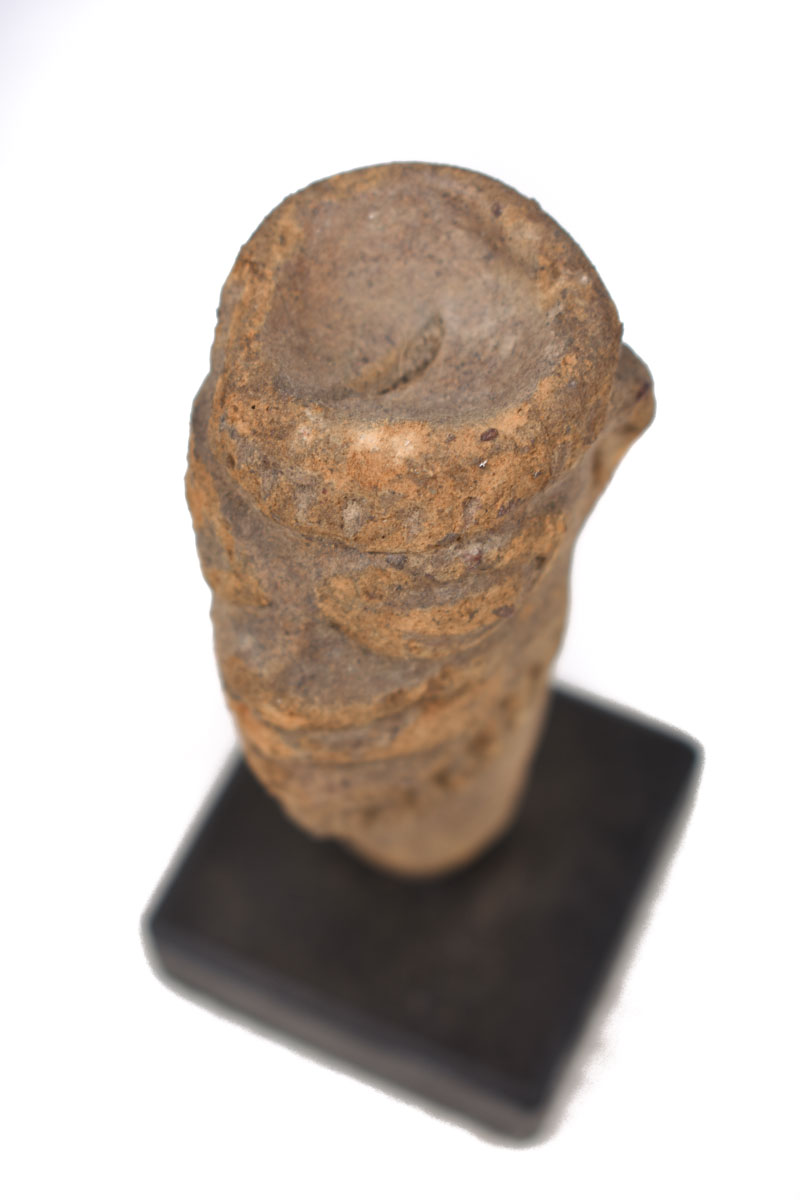
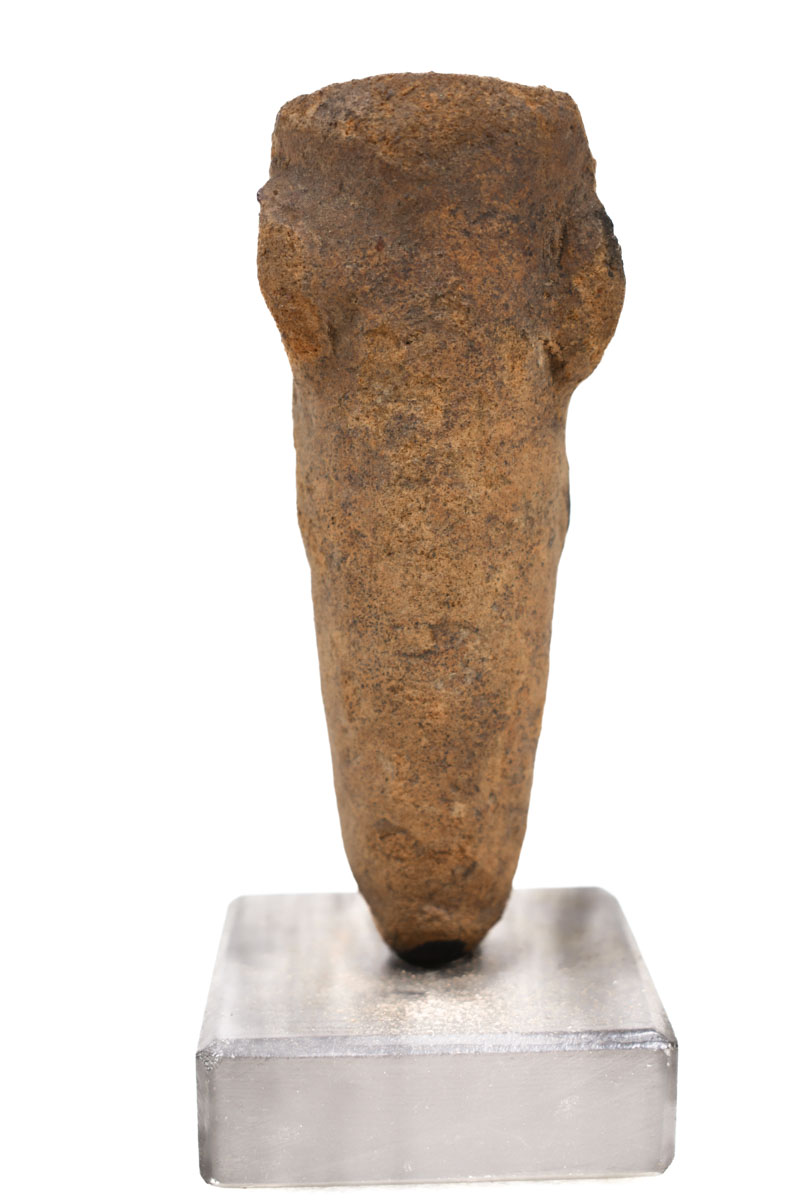
Karl Ferdinand Schädler described the new discovery of this culture in 1987 as follows: “Some of them look as if they came from the Bandiagara gorges and were products of the Dogon. But these are only a few. Most of these terracottas of a culture of which nothing is known look rather as if they came from Somarzo or as if they had sprung from the fantasy world of a Hieronymus Bosch: Heads whose braincases are pointed or which are hollowed out in the shape of a cup in reverse, with spectacle-like eyes or with ears which, like two handles, are attached to the back of the head. Mouths that, separated from any face, unite with other mouths to form a new “speaking for itself” being; conversely, faces that have also united with others and – provided with arms and legs – now seem to come directly from the underworld.
Lit: Schaedler, Karl-Ferdinand (1997). Erde und Erz. München: Panterra Verlag.
Provenance: Manfred Schäfer collection, ex- gallery owner from Ulm, Germany.
Including professional custom made stand.
| Object: | Terracotta Head |
| Ethnic group: | Koma-Bulsa |
| Country: | Ghana |
| Material: | Terracotta |
| Period: | |
| Sold with stand: | Yes |
| Dimensions: | 14x5x5 cm |
| Weight: | 450 gram |
| Condition: | Good condition, used with some signs of wear |
Frequently asked questions
Find answers to the most common questions about authenticity,
provenance, condition and additional information.
Yes. We carefully select every item in our collection. We provide information about the culture, material, age or period and provenance whenever this information is available. We do not knowingly sell reproductions as authentic antiques.
Yes. The photographs show the actual object for sale. We individually photograph our pieces, so you will receive the exact object shown on the product page.
Where available, provenance information is included in the product description. For selected pieces, additional provenance documentation or a provenance certificate may be available upon request.
We describe the condition of each item as accurately as possible and photograph the piece from multiple angles. Signs of age, wear, repairs or damage are mentioned in the product description when relevant.
Absolutely. If you would like additional photographs, measurements, details about the condition or further information about an item, please contact us. We are happy to help before you make a purchase.